%20(1).png)
Hot Flushes – Why Are They More Common in the West?

While researching my dissertation, I noticed an interesting pattern. Women in the UK and the United States consistently ranked hot flushes among their three most troublesome menopausal symptoms. In studies from many Asian countries, however, hot flushes often ranked much lower—typically between fourth and ninth.

Anthropologist Margaret Lock (1995) also observed that Japanese women who moved to the United States and adopted a Western diet and lifestyle reported symptom patterns much closer to those of American women than those of women living in Japan.
So what might explain this difference?
There is unlikely to be a single answer, but three factors are worth considering.
1. Alcohol
Much of Asia has a long tradition of drinking tea. Historically, boiling water to make tea was an effective way of making it safe to drink. In Europe, fermented drinks such as beer and wine often served a similar purpose, as they could be safer than untreated water.

As we approach menopause, it is normal for some aspects of metabolism to become less efficient. Many women find that they become less tolerant of alcohol than they were in earlier life. Alcohol is broken down into acetaldehyde, a compound that causes blood vessels to dilate, producing the familiar facial flushing experienced by many people after drinking.
From a Chinese medicine perspective, alcohol generates heat in the body. If someone is already experiencing the rising empty heat associated with menopause, alcohol may intensify that sensation, potentially making hot flushes more bothersome.
2. Sugar
Human beings evolved eating relatively small amounts of concentrated sugar. Most sweetness came from seasonal fruit, the occasional source of honey, or preserved fruits eaten sparingly through the winter.
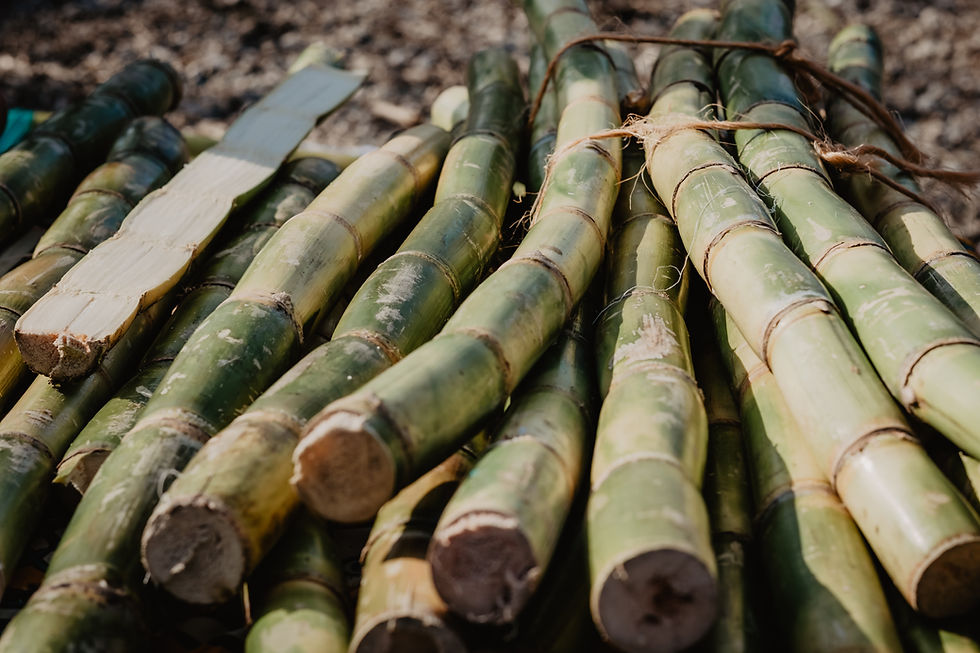
During menopause, falling oestrogen levels can reduce insulin sensitivity. This contributes to changes in blood sugar regulation and may be associated with weight gain, brain fog, and, for some women, an increase in hot flushes.
On average, Western countries continue to consume considerably more refined sugar than many Asian countries, although this gap is narrowing as more countries adopt a Western-style diet. It will be interesting to see whether future research finds changes in menopausal symptom patterns as dietary habits continue to evolve.
It is also worth remembering that refined carbohydrates—including white bread, white rice, and white pasta—are rapidly converted into glucose and can produce similar blood sugar spikes.
3. Social Status
Culture may also influence how menopause is experienced. In China, menopause is sometimes described as a "Second Spring"—a transition into a new stage of life in which women may gain greater respect as experienced elders within their families and communities.
In Britain, by contrast, we still hear phrases such as "over the hill" or "past it," particularly in reference to women over 40. These attitudes can shape how women feel about ageing and may also influence how menopausal symptoms are both experienced and reported.
In my next blog, I'll explore the research on the relationship between women's social status and their experience of menopause. If you'd like to receive the series in your inbox, subscribe to my blog.
What Can You Do to Reduce Hot Flushes?
Every woman experiences menopause differently, so it's worth experimenting to discover what works best for you. You might consider:
Reducing or eliminating alcohol.
Limiting coffee to one cup before midday, or avoiding caffeine altogether if you notice it triggers symptoms.
Reviewing your sugar intake, including refined carbohydrates such as white bread, white rice, and white pasta, which can cause rapid rises in blood sugar. Even naturally sweet foods, such as bananas, may be worth moderating if you find they trigger symptoms.
Setting healthy boundaries. As we age, our bodies naturally ask us to work with our energy rather than against it. Choosing your commitments carefully and pacing yourself can make this stage of life one of confidence, wisdom, and vitality.
Chinese medicine has writings about supporting women with menopausal symptoms going back centuries. If you are interested in adding this wisdom to the constellation of your support, get in touch. You can book an appointment online for a health review or in person at my Hove clinic for acupuncture & moxibustion alongside a comprehensive health check.


